
Teen crew
A group where your teenager actually has mates.
Wednesdays and Fridays through the school term, for pre-teens and teenagers across Newcastle, Maitland and the Hunter. It started as a social program and turned into a friendship group.
What actually happens
It stopped mattering what was planned.
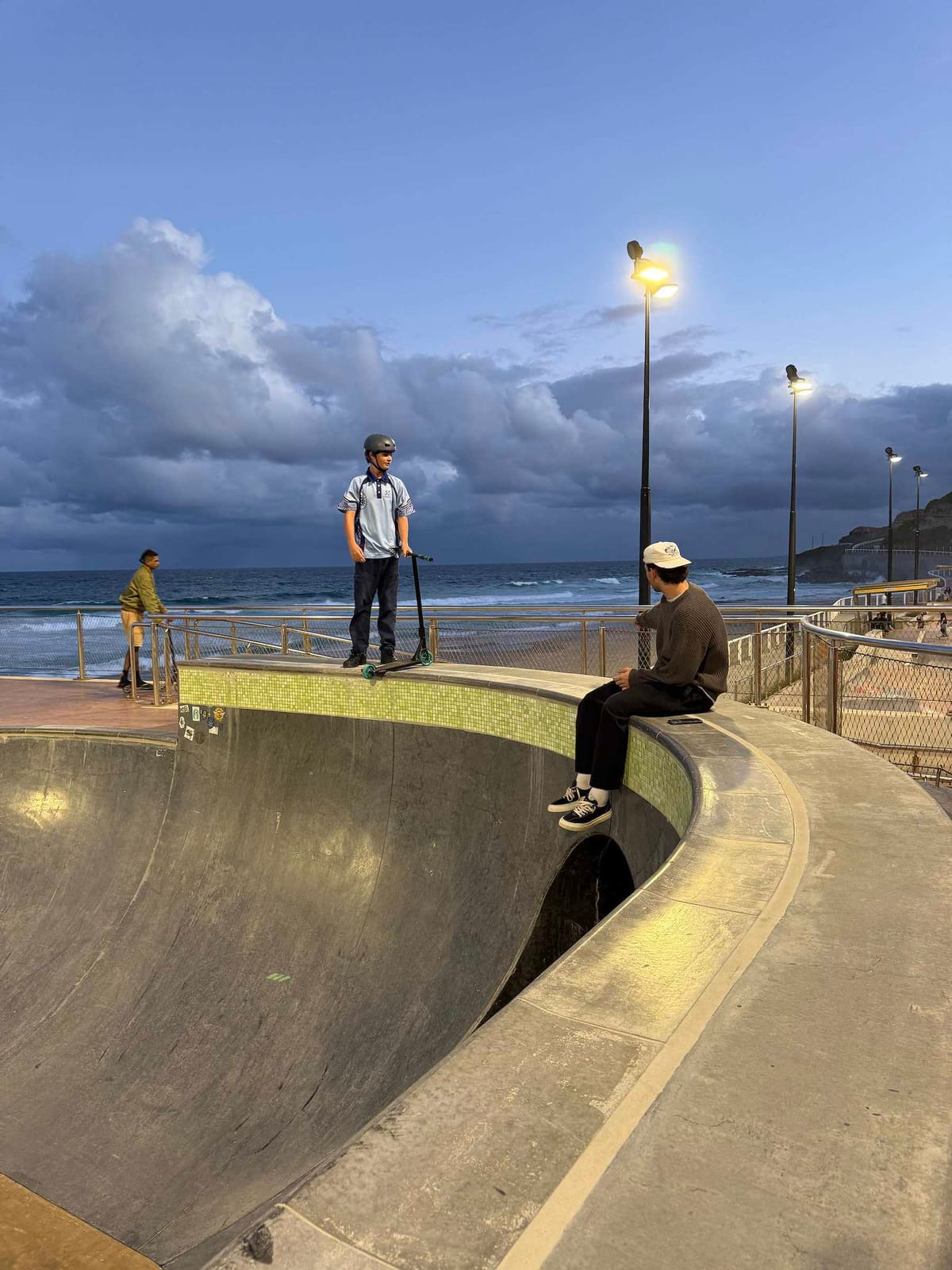
The group has been together long enough that the friendships now run between sessions rather than only inside them. They talk during the week. They catch up outside the program. That was never on a goal sheet.
Our support workers report needing to direct far less than they used to. Someone sets a task, one person buys in, and nobody wants to be the one left out. Behaviours that used to show up stopped showing up, because the young people are comfortable with each other.
One participant, asked what he had done that day, could not remember. Then he said they just have fun all the time and it does not matter what they are doing. That is the whole point of the program in one sentence.
Who it suits
Three young people this is built for.
They want mates, not activities
The young person who has done plenty of outings and still has nobody to text afterwards.
Narrow interests, few ways in
Teens on the autism spectrum who hone in hard on one thing and find peers difficult.
The same faces matter
Anyone who settles once they know who is turning up, and unravels when it changes weekly.
The bit other providers skip
We invite other providers in.
For the school holiday program we ask two other providers to bring their participants along. We do not have every kind of young person your young person might get on with, and pretending otherwise would cost them friends.
Questions
The things families actually ask.
- When does it run?
- Wednesdays and Fridays through the school term. There is a separate three day program each school holidays.
- Where does it run?
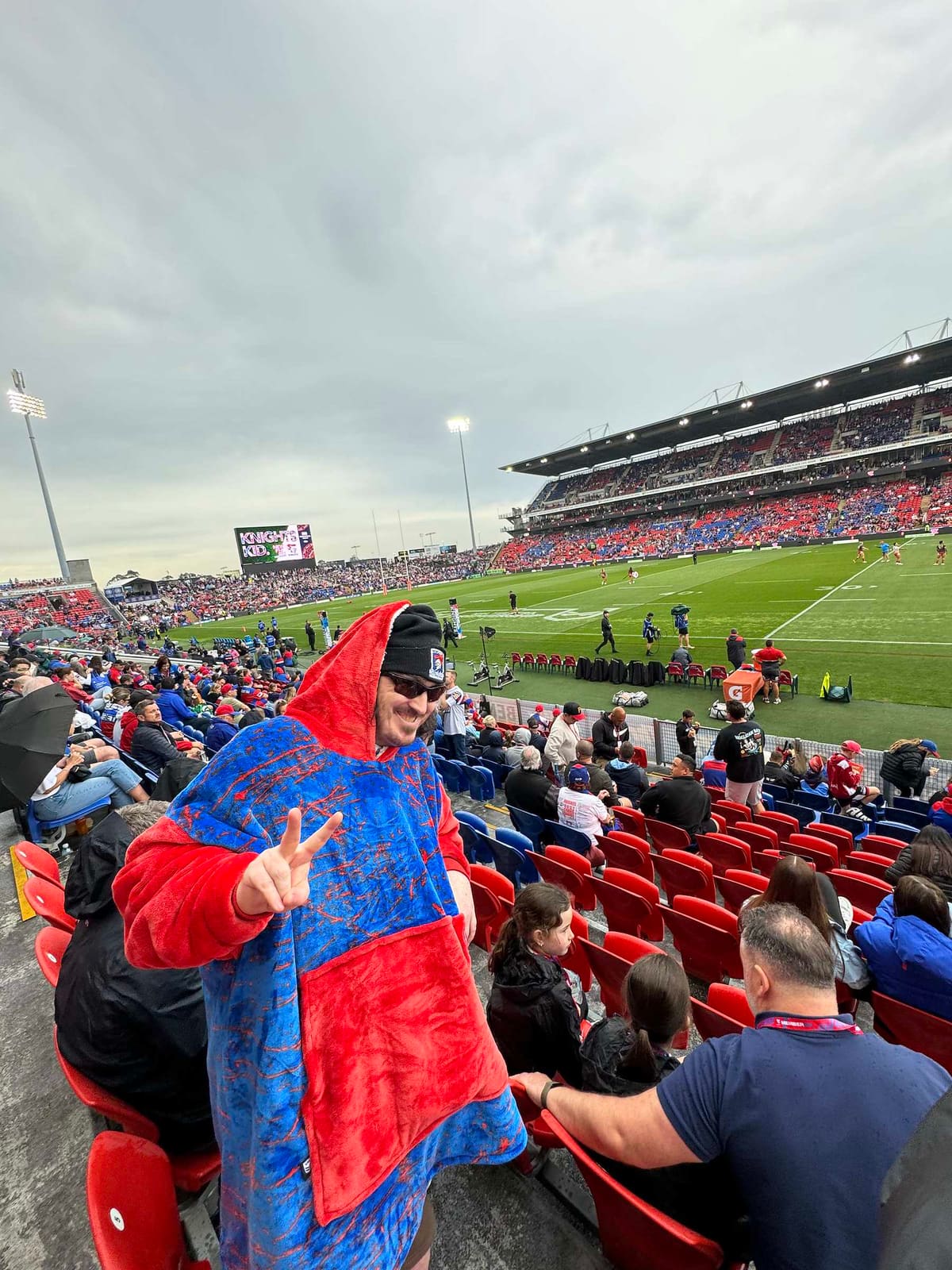
- Around Newcastle and out through Maitland, the Hunter and the Central Coast. It is not a centre you get dropped at. The group goes places.
- What ages?
- Pre-teens and teenagers. Younger children and adults are better suited to our other supports, and we will say so rather than fill a spot.
- Who is it not for?
- Anyone who needs one to one support the whole time. The value here is the group, and one to one is a different service we also run.
- How is it funded?
- Through the social and community participation part of an NDIS plan. We support plan managed and self managed participants.
Let's have a chat.
A phone call, a coffee, or a meet and greet at your place. No paperwork until you actually want to go ahead.